The Dallas-Fort Worth area sits in one of the hardest-hit hail corridors in the country. The main hail season runs April through June, peaking in May, and there is a second, often-forgotten peak in October. After a hailstorm, most homeowners check the roof and the cars — and forget the gutters, which catch every stone the roof sheds. This checklist walks you through a gutter inspection after any Grapevine hailstorm, explains what counts as real damage versus cosmetic dents, and helps you decide when to call for repairs.
Grapevine Gutter Pros inspects and repairs storm-damaged gutters across Grapevine, TX 76051 and 76099. Hail damage to gutters is easy to miss from the ground, so work through the checklist below before you decide anything. If it turns up damage, call (817) 566-8258 for an on-site assessment.
Key takeaways: DFW has two hail seasons, April through June and again in October. Check for hail damage to gutters from the ground after every hailstorm: dents, cracked sealant, and knocked-loose hangers. Cosmetic dents can wait; split seams and detached runs cannot. Photograph damage before any repairs.
Why Gutters Take Hail Damage Even When the Roof Looks Fine
Hailstones do not fall straight onto your gutters. They hit the roof slope, bounce and roll downhill, and arrive at the gutter line with extra momentum. That is why gutters often show damage on slopes where the roof itself looks untouched from the ground.
Aluminum gutters — the most common type in North Texas — dent under hail impact. Steel gutters resist dents better but can still bend at the seams. Copper dents too, though it rarely splits. Wind-driven hail hits hardest on the windward side of the house, so damage is often concentrated on one or two elevations rather than spread evenly.
There is also a secondary clue hiding in your gutters: shingle granules. A hard hailstorm knocks protective granules off asphalt shingles, and the next rain washes them into the gutters. If you find piles of gritty granules in the gutter after a storm, your roof took hits too, and it deserves its own inspection.
The Post-Hail Gutter Inspection Checklist
Do the first pass from the ground. You can spot most hail damage to gutters with a pair of binoculars and a slow walk around the house. Save the ladder for a professional, especially on two-story homes.
- Step
1Walk the full perimeter and study the gutter faces
Look for dimpling, dents, and dings along the outer face of each run. Check the windward side — the direction the storm came from — most carefully, since it absorbs the worst impacts.
- Step
2Inspect every downspout
Hail crushes and creases downspouts, especially the rectangular profiles. Look for dents that narrow the channel, bent sections, and straps that pulled loose from the wall. A crushed downspout restricts flow even if the gutter above it looks fine.
- Step
3Check corners, end caps, and seams
Sealant is the weak point in any gutter system. Hail impact and the thermal shock of a cold storm can crack aging sealant at mitered corners and end caps. Look for gaps, peeling sealant, and daylight showing through joints.
- Step
4Look for loose or bent hangers
The combined force of hail and wind can loosen the hangers that hold the gutter to the fascia. Stand back and sight along each run: a wavy or sagging line means hangers have given way. Gutters pulling away from the house after a storm need prompt attention.
- Step
5Scan for paint chips and exposed metal
Where hail knocks paint off aluminum or steel, bare metal is exposed to moisture. A few chips are cosmetic today and rust spots next year. Note every place you see bare metal.
- Step
6Check splash blocks and extensions
Storm water displaces splash blocks and can wash soil out from under extensions. Make sure discharge points still carry water away from the foundation, not toward it.
- Step
7Look inside the gutter if you can do it safely
From a stable first-story ladder with a spotter, check for granule buildup, dents pushed inward that narrow the channel, and standing water that indicates the pitch shifted. Never climb in wet or windy conditions, and never step onto the roof to check gutters — that is a job for insured professionals.
- Step
8Write down the storm details
Date, approximate hail size, wind direction, and which side of the house faces the weather. Take dated photos of every damaged spot. This record matters if you end up filing an insurance claim, and it helps any contractor who inspects later.
- Ready
When
You Are

Cosmetic Dents vs. Real Damage: How to Tell
Not every dent needs a repair crew. Here is how to sort them.
Cosmetic damage means shallow dimpling with the paint intact, no splits or cracks, hangers still tight, and water still flowing freely. Dented-but-working gutters can be monitored. Many homeowners live with cosmetic hail dimpling for years without functional problems, especially on the sides of the house nobody sees.
Real, functional damage means splits or cracks at seams and corners, crushed downspouts that restrict drainage, hangers pulled loose so sections sag or detach, bent runs that hold standing water, or exposed bare metal already starting to corrode. Functional damage gets worse with every subsequent storm, because each rain exploits the weak point a little more. If water is misbehaving — overflowing, leaking at seams, pooling where it shouldn't — the damage is functional regardless of how it looks.
When in doubt, have someone look. A professional inspection costs far less than the water damage a failed gutter section can cause to fascia, siding, and foundations.
Should You Replace Gutters When Replacing a Hail-Damaged Roof?
This question comes up after nearly every major DFW hailstorm, because roofers are already on-site and the timing feels convenient. The honest answer: not automatically. Gutters usually outlive the roof over them, and undamaged gutters do not need replacement just because the shingles do.
There are good reasons to do both at once, though. The crew and ladders are already there, which removes the setup cost of a separate gutter job. The fascia is exposed during tear-off, so hidden rot gets found and fixed instead of discovered later. And if the hail damaged both roof and gutters, or your gutters are twenty-plus years old, pairing the projects means the whole system ages together.
There are also good reasons to keep solid gutters: they are undamaged, the budget is already stretched by the roof, or you like the current profile and color. One practical warning either way: tell your roofer the gutters are staying, and make sure the tear-off crew protects them. Falling shingles and nail guns damage more good gutters than hail does. Our repair vs. replacement guide gives you the full decision framework.
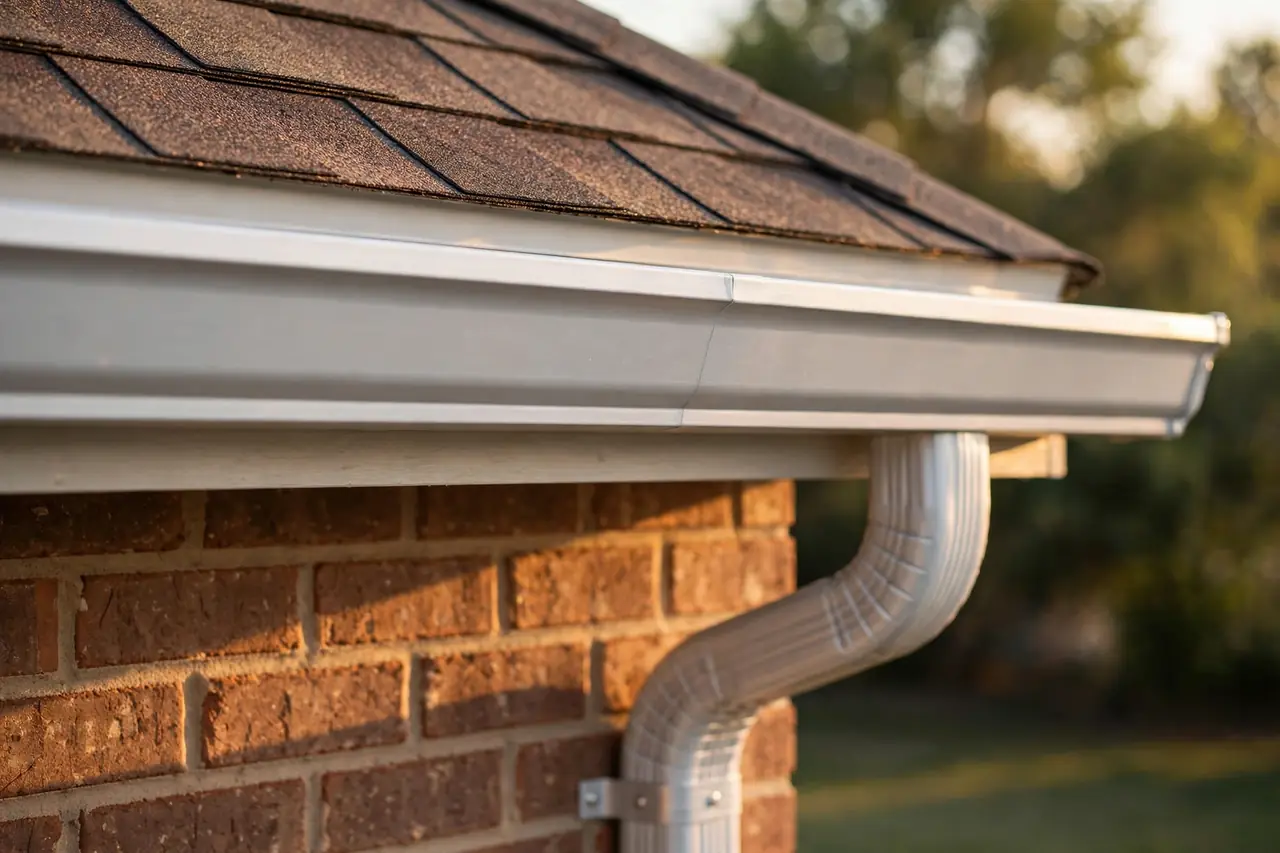
Documenting Damage for Insurance: Keep It Simple
This is general guidance, not legal or insurance advice — your policy and your agent decide what is covered. That said, good documentation helps every claim go smoother.
Photograph all damage with dates: wide shots showing location on the house, close-ups of dents, splits, and detached sections. Keep your notes about the storm itself: date, hail size if you know it, wind direction. Do not throw away bent or broken pieces until they are photographed. Call your agent early to ask about your deductible and the claims process before authorizing major work. And get any repair assessment in writing, with the damage described specifically rather than as a lump sum. Specific documentation protects you whether the claim is approved or not.
Don't Forget the October Hail Peak
Everyone watches the sky in May. Far fewer homeowners think about hail in October, which is exactly why the second DFW hail peak catches people off guard. The same checklist applies: after any October storm with reported hail, walk the perimeter with binoculars and look at the gutter faces and downspouts.
If you skipped the spring inspection, the fall check doubles as your pre-winter once-over. And if spring hail already dented your gutters, an October storm hitting the same weakened spots is what turns cosmetic damage functional. Two inspections a year — one after spring storm season, one after the October peak — is the right rhythm for Grapevine.
After the Storm: What to Do Next
Work the checklist within a few days of the storm, while the details are fresh and before the next rain tests the weak points. Cosmetic-only findings go on your watch list. Functional damage — splits, crushed downspouts, detached sections, active leaks — deserves a professional look promptly, because the next storm does not wait for your schedule. When the checklist turns up hail damage, gutters with split seams or crushed downspouts should be fixed before that next storm, not after it.
Call (817) 566-8258 for a post-storm gutter inspection anywhere in Grapevine, TX. We will tell you straight whether what you are seeing is cosmetic or structural, repair what needs repairing, and leave alone what doesn't.
Frequently Asked Questions
Direct answers to common questions.
How do I know if hail damaged my gutters?+
Walk the perimeter with binoculars and look for dimpling and dents on the gutter faces, especially the windward side. Check downspouts for crushing or bending, look for cracked sealant at corners, and sight along each run for sagging that signals loosened hangers. Granule piles washed into the gutters are a strong clue the storm hit hard.
Can hail dent aluminum gutters without causing leaks?+
Yes, and that is the most common outcome. Aluminum dents readily under hail impact, but shallow dents with intact paint and tight seams usually keep working fine for years. Leaks start when impacts split seams, crack sealant, or bend sections enough to trap standing water. Dents alone are cosmetic; dents plus seam damage are functional.
Should I replace my gutters when replacing my hail-damaged roof?+
Not automatically. Gutters typically outlive the roof, so undamaged gutters can stay. Replacement makes sense when the hail damaged both, the gutters are old, or you want the whole system aging together while the crew is already on-site. If the gutters are staying, make sure the roofing crew protects them during tear-off, which damages more gutters than hail does.
Will small dents in gutters cause problems later?+
Small, shallow dents with intact paint generally do not. The risk comes from what accompanies the dents: cracked sealant that lets water behind the joint, paint chips that expose bare metal to rust, or bent sections that hold standing water. Inspect dented areas once a year. If the paint is intact and water flows freely, monitoring is enough.
How soon after a hailstorm should I inspect my gutters?+
Within a few days. Early inspection catches functional damage before the next rain exploits it, and fresh documentation — dated photos, storm details — is far more useful than trying to reconstruct things weeks later. If another storm is already in the forecast, prioritize checking downspouts and seams, since those control whether water goes where it should.
Do I need to climb on the roof to check for hail damage?+
No. Nearly all gutter hail damage is visible from the ground with binoculars: dented faces, crushed downspouts, sagging runs, cracked sealant. Never climb onto a wet or storm-damaged roof to inspect gutters. Ladder and roof work after storms belongs to insured professionals with the right equipment. Call (817) 566-8258 rather than risking a fall.
What should I photograph for an insurance claim?+
Take dated wide shots showing where each damaged section sits on the house, plus close-ups of dents, splits, detached hangers, and crushed downspouts. Photograph any bent or broken pieces before discarding them. Keep written notes of the storm date, hail size, and wind direction. This is general documentation guidance, not legal advice; your agent and policy determine coverage.